
The Best Swim Toys to Buy That Make Learning To Swim Fun
Age-by-Age Guide
Swim toys are more than just a way to keep children entertained in the water. The water itself provides resistance and sensory feedback, while the toys give the child a clear purpose for movement. The goal isn’t simply to play in the pool – it’s to make every splash a step towards greater confidence and swimming ability. The right toys can make time in the water fun, engaging and educational.
The right toys can help children develop important swimming skills while building confidence, coordination and a positive relationship with the water. From babies experiencing water for the first time to toddlers learning to move independently, swim toys can turn swimming practice into a fun and engaging experience.
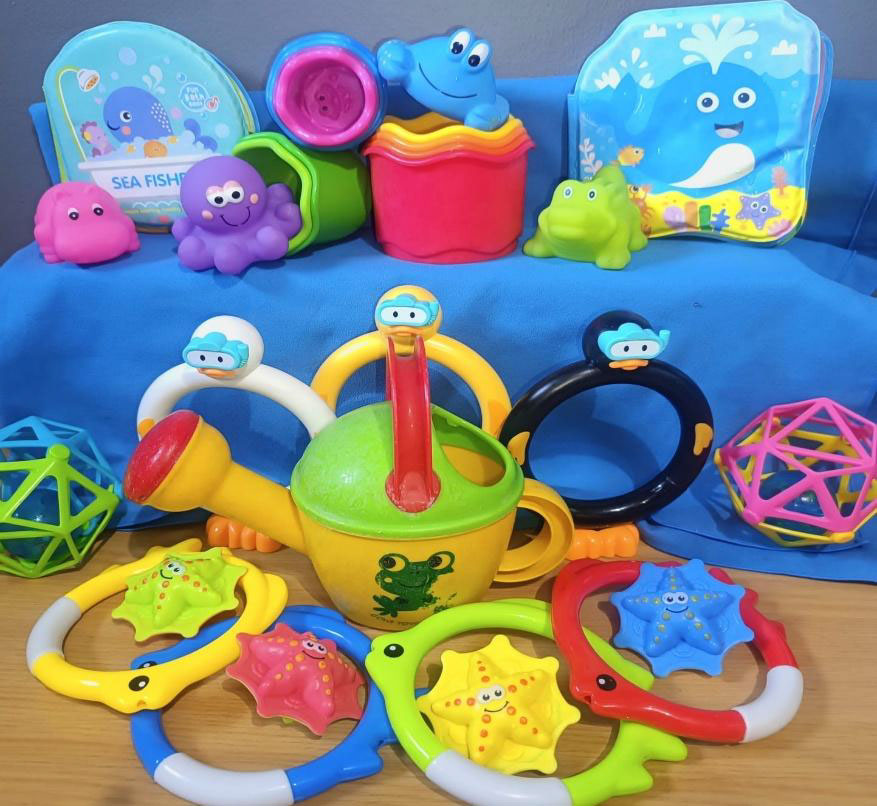
When choosing swim toys, consider your child’s age, swimming ability and developmental stage. Babies need simple toys, while older children can enjoy diving games, balls and more challenging activities. Choosing swim toys by developmental stage helps children build confidence, water skills and sensory exploration. It also develops proprioception because the water provides resistance and pressure around
the whole body. It helps children with body awareness, balance, coordination, motor planning and confidence in movement while retrieving toys underwater, swimming through hoops and pushing off the wall encourage them to control their body position and movement.

Choose toys that encourage skills your child is currently developing – such as reaching, kicking, floating, blowing bubbles, breath control, diving or swimming underwater.
Choose toys for developing:
- Bilateral integration
Using both sides of the body together
- Motor planning
Figuring out how to reach, retrieve or move through an obstacle.
- Hand-eye coordination
Catching, throwing and aiming.
- Gross motor skills
Kicking, swimming, climbing and jumping
- Fine motor skills
Grasping small floating objects.
These skills are important for balance, coordination, rhythm, motor planning and efficient movement. Swimming makes these skills enjoyable because children are developing coordination through play and purposeful movement rather than formal exercises.
Look for safe, child friendly designs. Choose durable, non-toxic, water-safe toys without small detachable parts that could present a choking hazard.
Choose toys that encourage movement. The best swim toys don’t just entertain, they encourage to move and kick through the water. Make it fun!
Bright colours, animals, characters and interactive games can help children become more comfortable and enthusiastic about swimming. Always supervise children around the water!
Age-by-Age Guide
Babies: 0-12 months
At 0-12 months, keep play simple. Swimming provides a particularly rich sensory environment because babies experience resistance and pressure from the water while moving their entire body. Use sensory and water-comfort toys. Choose bright and easy-to grasp toys that encourage babies to explore the water with their senses while enjoying one-on-one time with a parent
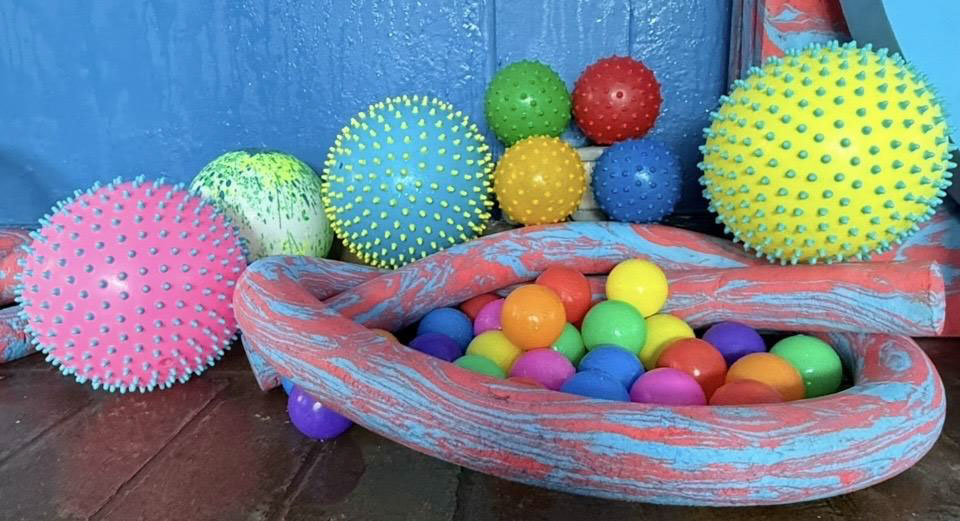
- Soft Colourful Floating Balls
Reaching, grasping, tracking, bilateral integration. Reach for, catch or push the ball across the water.
- Floating Rubber Ducks And Animals
Bright ducks and other floating animals are great for visual tracking and interaction.
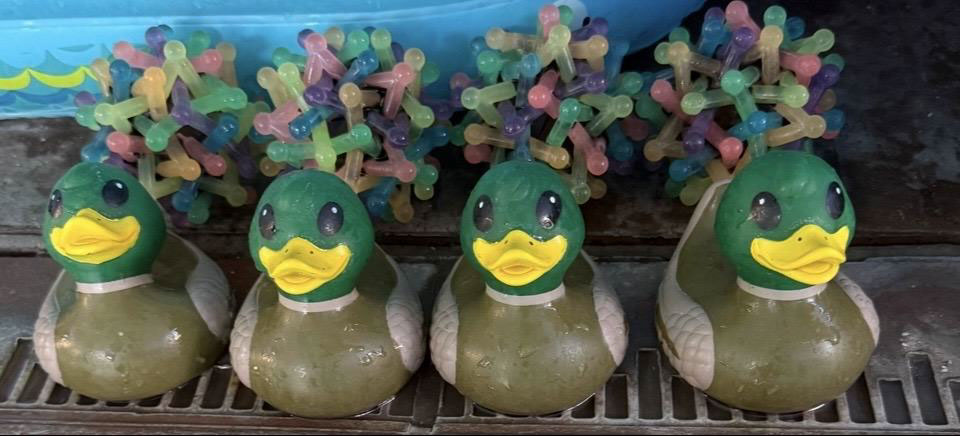
- Water Squirters (easy squeeze)
Choose large, easy-to-clean designs and use them gently as part of sensory play
- Small Floating Boats
Great for visual stimulation and simple parent-and-baby games.
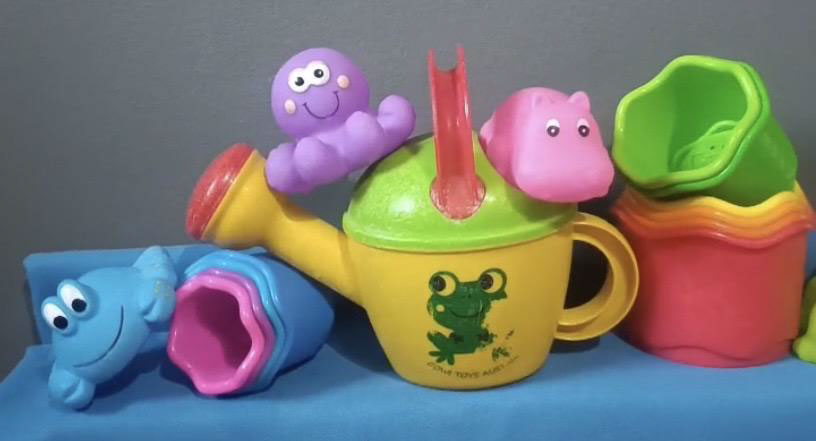
- Pouring Cups
Use gently to pour water over baby’s body and face, helping them become comfortable with water.
Toddlers: 1-2 years
At 12-24 months, babies are becoming more active and curious. Choose pouring, scooping and floating toys that are designed for play and skill development. Encourage tracking and simple cause-and-effect play.
- Floating Sea Animals And Boats
Develop water comfort and positive associations with water, sensory awareness, visual tracking, reaching and grasping.
- Large Sensory Toys
Toys with different textures, shapes and gentle movement can give babies opportunities to touch, hold and explore and provide sensory stimulation.
- Splash Toys
Discover cause and effect. Simple splash toys allow babies to explore what happens when they touch, squeeze or move a toy in the water. They encourage curiosity and sensory learning while making swim time fun.
- Stacking Cups And Small Buckets
Pour, splash and explore. Small buckets are great for simple water-play activities. With the help from a parent, babies can explore filling, pouring and splashing while becoming familiar with how water move.
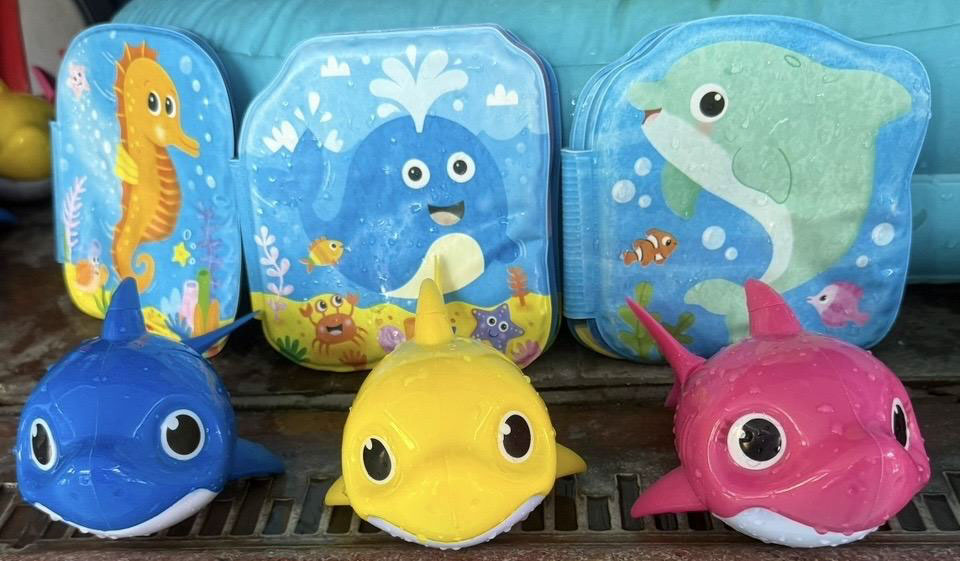
- Bath Books
Waterproof books can make water time engaging while encouraging interaction.
Young Children: 2-4 years
At age 2-4 crossing the body’s midline is important for reaching objects, swimming towards a target or performing certain strokes that can encourage children to move across the body’s centre line.
- Watering Cans
Hand strength, pouring, sequencing.
A simple watering can provides endless opportunities for pouring, filling, scooping, reaching, hand-eye coordination and discovering how water move.
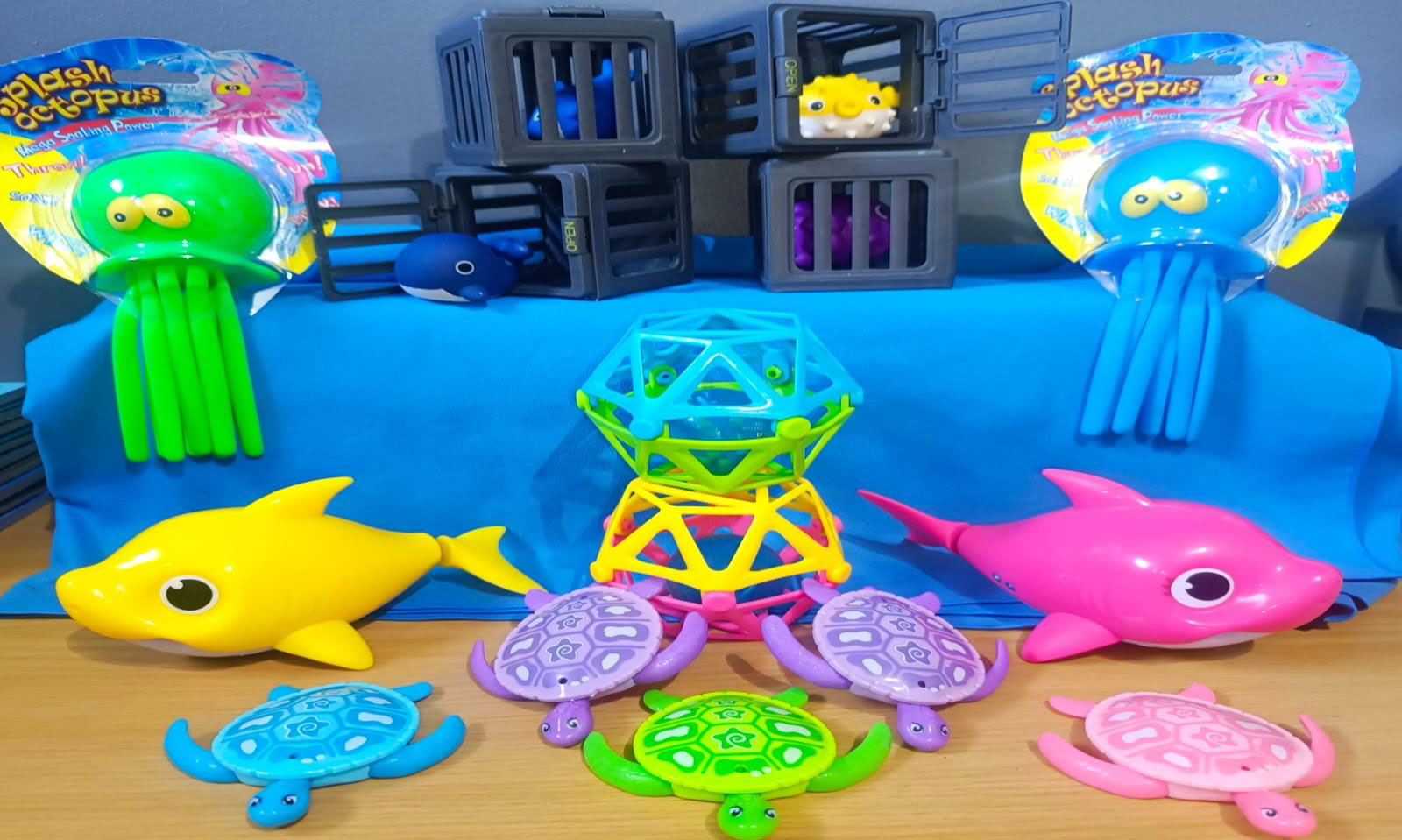
- Floating Discs And Animals
Throwing, catching and hand-eye coordination.
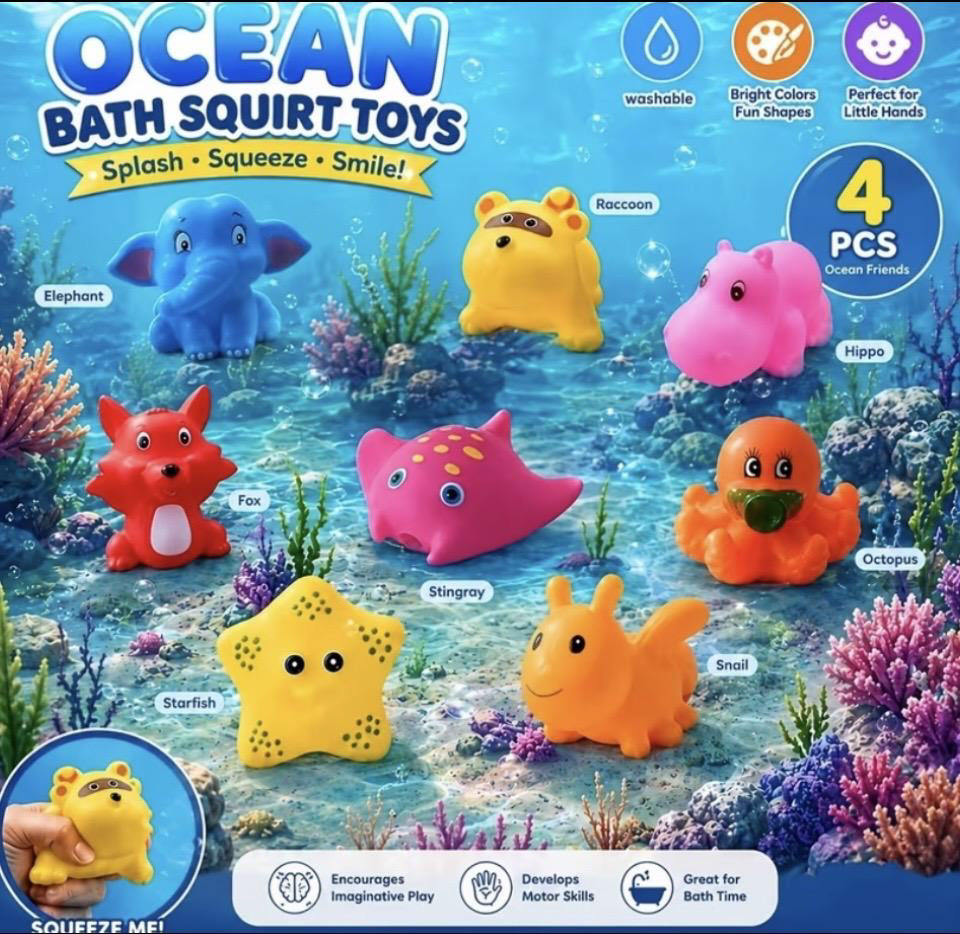
- Sink-and-retrieve Toys
Motor planning, visual perception and coordination. It can be placed in shallow water for children to collect and encourage submersion. Colourful sinking toys make underwater practice exciting, they can retrieve a toy from different depths while developing confidence with putting their face underwater.
- Larger Soft Beach Balls
Soft beach balls are excellent for babies (visual tracking and reaching) and toddlers because they are lightweight, colourful and easy to interact with in the water. It also encourage movement and hand-eye coordination when catching, rolling, throwing and kicking the ball.
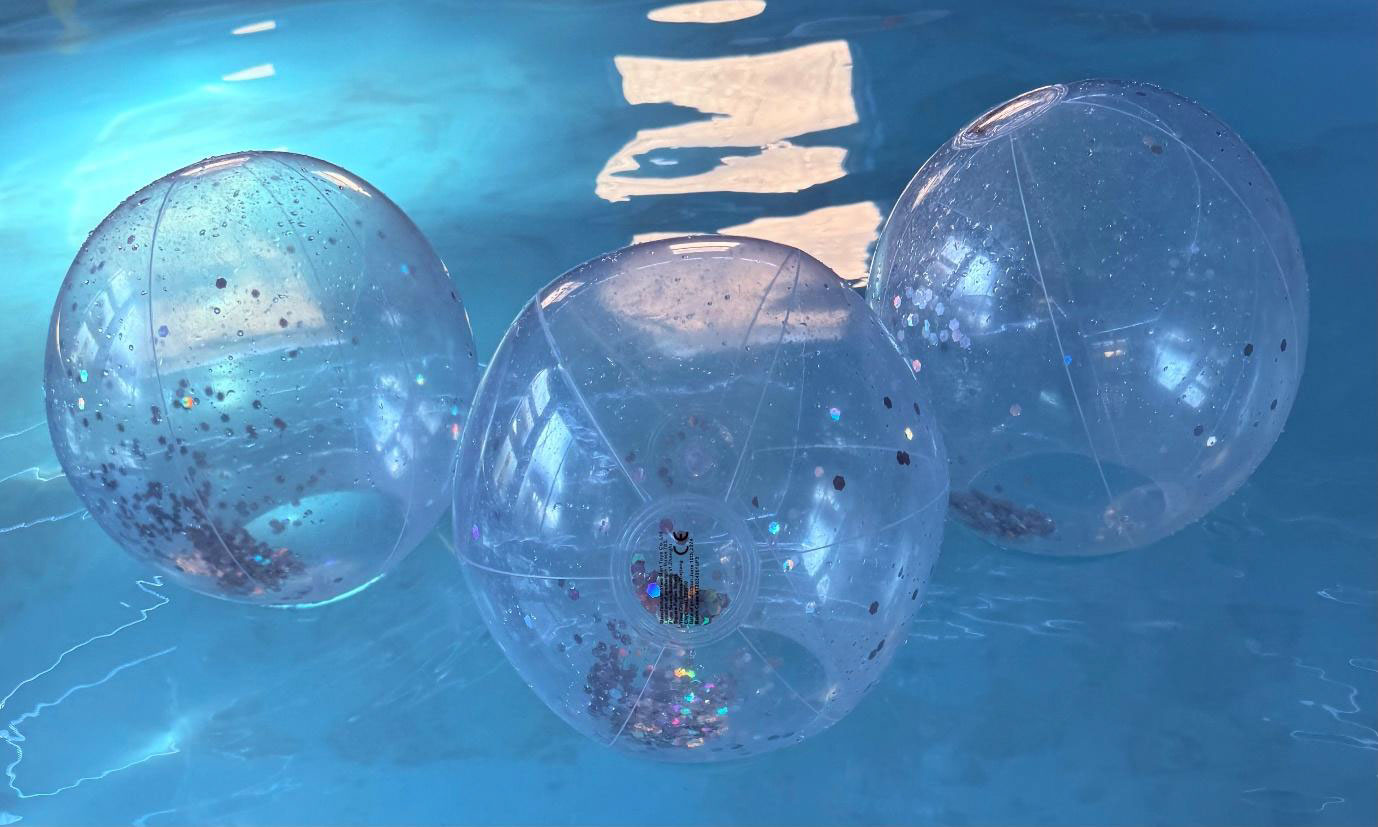
- Musical or Wind-up Toys. Motivation and visual tracking that encourage babies to move through the water.

Preschoolers & Early Swimmers: 4-6 years
- Floating Toys
Children are often more motivated when they have a favourite toy to swim towards or collect. Floating animals and characters can encourage children to practise reaching, kicking and swimming independently.
- Sink-And-Retrieve Toys
A great way to turn swimming practice into a fun underwater game. They are especially useful for children who are learning to put their face in the water and develop confidence underwater. Successfully finding and retrieving toys give children a sense of achievement. It also provides opportunities to develop breath control.
- Pool Noodles
Balance, core control, bilateral integration. Pool noodles are a versatile swim-training tool that can make swimming lessons more fun while supporting children as they develop new skills. They can be used for floating, kicking, balance exercises and playful activities and games. Floating on the back or tummy changes the body’s relationship with gravity and helps children experience different positions. It builds water confidence while encouraging children to explore different movements in the water

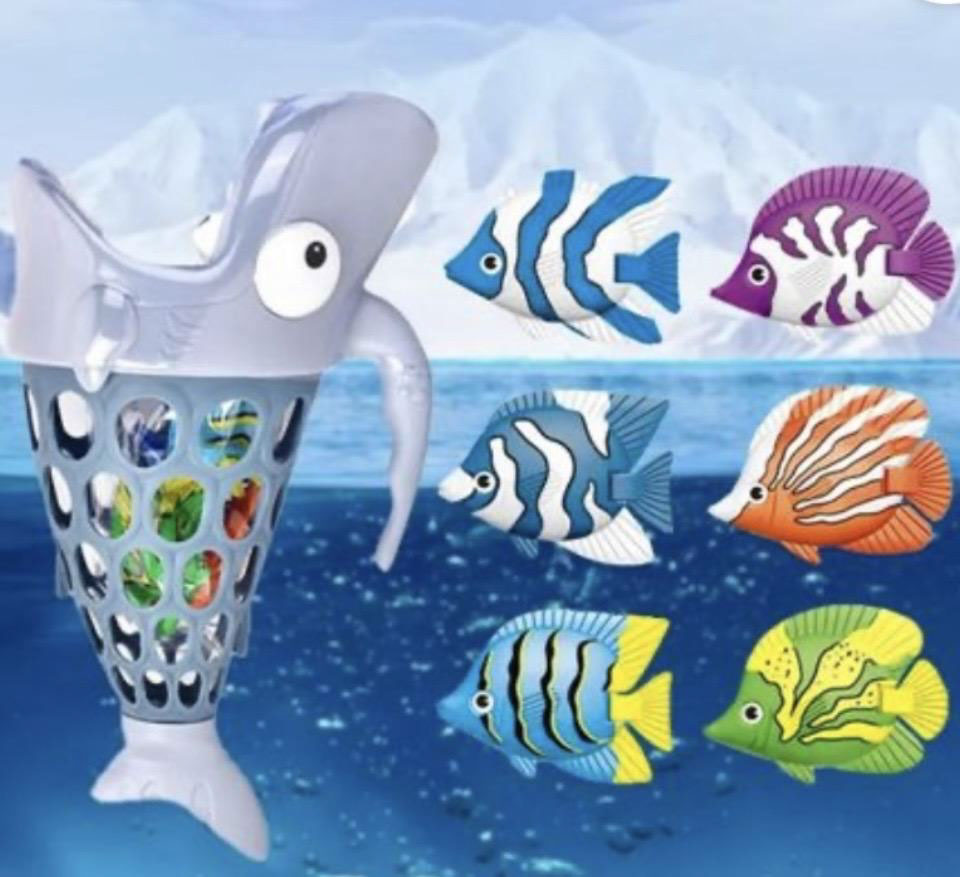
- Toy Fish Catching Game
Sinking toys like catching small fishes with a shark catcher encourage children to put their faces underwater and practice breath control. Gradually increase the challenge as confidence grows.
Older Children 6+ years
For this age group choose toys that encourage swimming distance, underwater skills, coordination, speed, accuracy, confidence and problem-solving. Choose skill-based toys with challenging diving games and races. They can help develop swimming ability while keeping lessons fun.
- Underwater torpedoes and sharks
Excellent for retrieve-and-dive games. Great for practising submerging, opening eyes underwater and controlling breathing.

- Dive Gems, Treasure Toys And Starfish
Visual-motor skills, grasping, body awareness.
Treasure hunts can be adapted to different ages and swimming abilities, especially for underwater swimming and building confidence. Diving down and retrieving objects encourages controlled movement. They add imagination and excitement to swimming lessons.
- Floating Obstacle Courses
Motor planning, sequencing and balance

A fun way to turn the pool into an exciting adventure course while developing swimming skills, coordination, strength and body control. Create a course using floating mats, hoops and floating toys. They can swim under, over or around each obstacle before reaching the finish line. Encourage children to swim, climb, balance and move through the water. Encourage problem-solving as they work out how to complete the course.
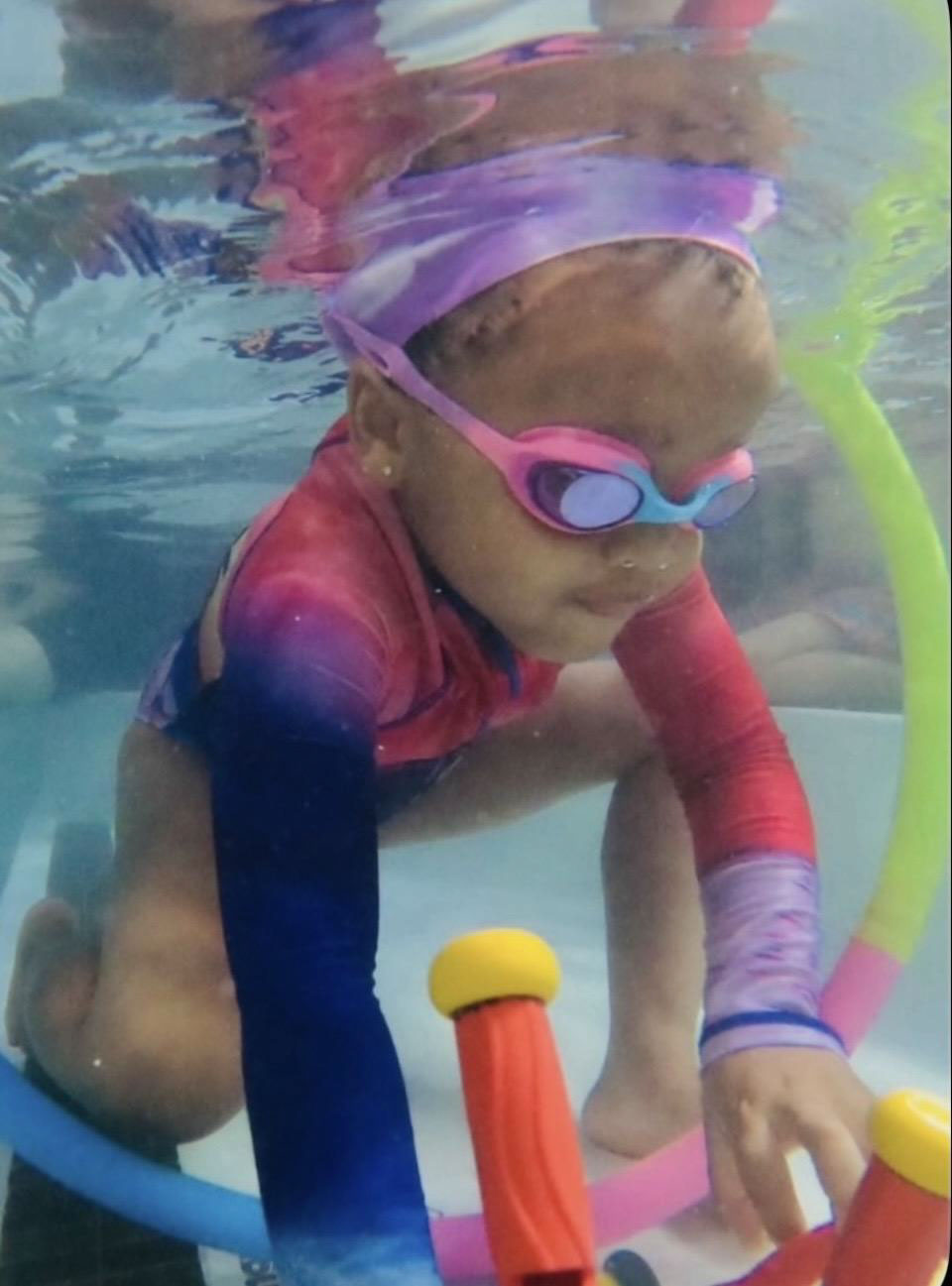
- Swim-Through Hoops
Motor planning, spatial awareness and coordination. Help develop streamlining and body position. Can be used to practise breath control and swimming endurance. Encourage underwater exploration and confidence. Develop coordination and directional awareness. Start with one hoop and gradually increase the distance or depth as their confidence improves.
- Swimming Fins
Make kicking and propulsion exercises more exciting.
Learn through play while ending each lesson with a smile!
All toys are available at the Swim Shop