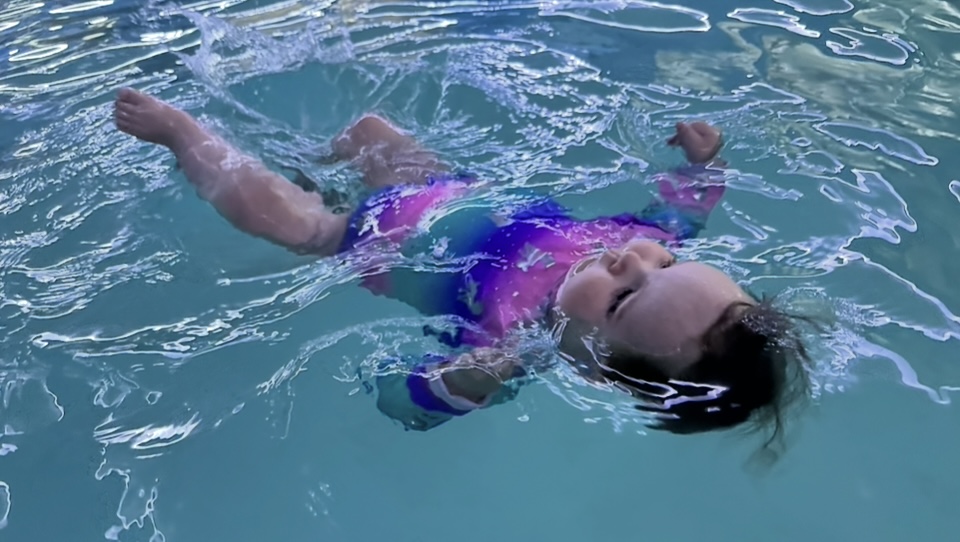
FROM TUMMY TIME TO SWIM TIME: BUILDING THE VESTIBULAR SYSTEM OVER TIME.
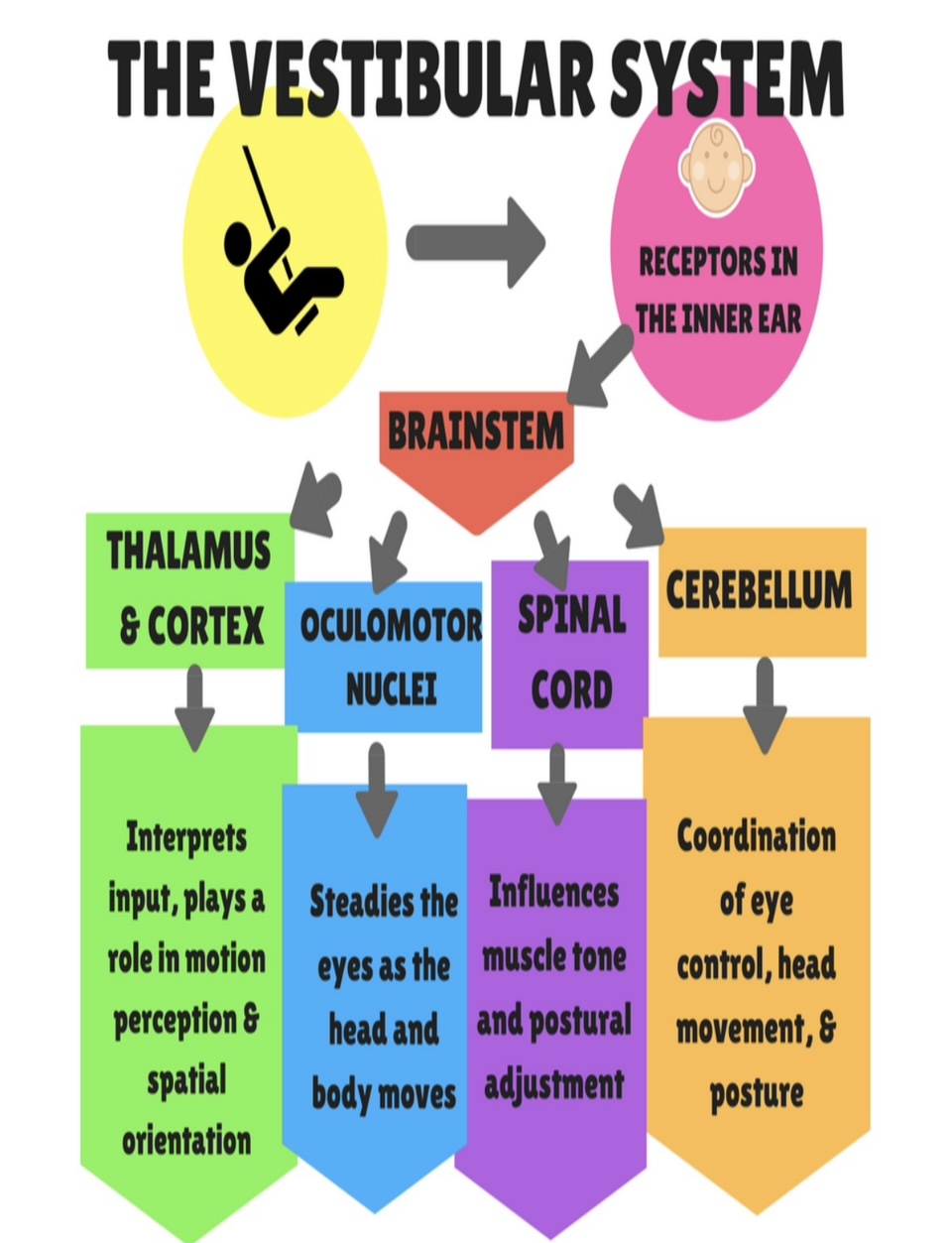
The vestibular system is the body’s balance and movement system. It is situated in the inner ear and helps us understand where our body is in space, how fast we are moving and how to stay balanced. Development starts very early – long before a child ever gets into a pool.
Tummy Time: The Foundation
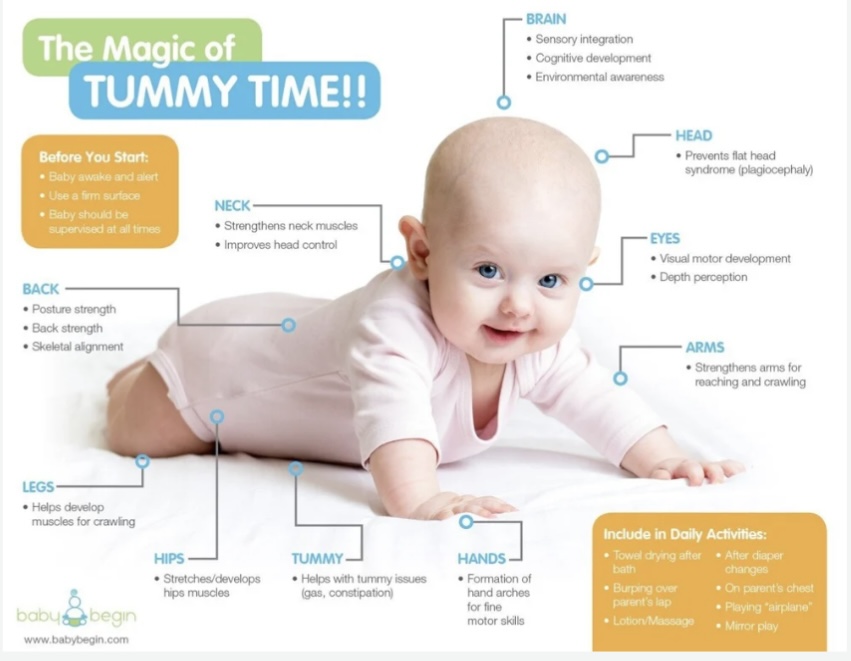
Tummy Time is one of the first ways babies activate their vestibular system.
- Lifting and turning the head stimulates balance pathways.
- Shifting weight and pushing through arms builds body awareness.
- Rolling from tummy to back produces gentle changes in position.
These movements help the brain learn how to organize information about movement, gravity, and balance.
When to start Tummy Time with your Baby?
It is recommended to start as soon as the baby is born. You can start laying baby’s tummy on your chest as you snuggle, because being in the prone position (lying on the tummy) provides important sensory input and supports breathing as well. As the baby gets older, they will be ready to increase the challenge to work on tummy time skills on the floor, in their crib, or on your lap. You can also hold them in the prone position as you walk around to get some vestibular/movement input as well as building strength in the core and neck.
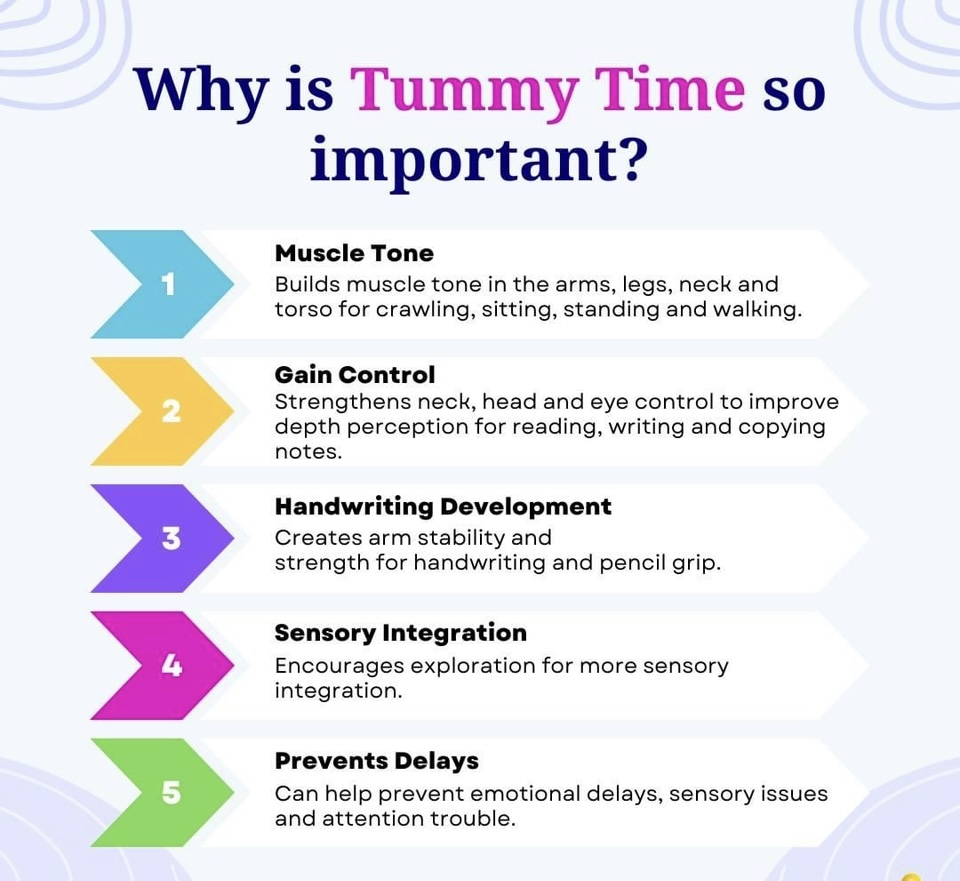
As they continue to get stronger and bigger, they will start working on being mobile on their belly by pivoting, rolling and eventually crawling. Tummy time has been shown to be good for cognitive and visual development as well. It is safe to say, it’s a crucial aspect of infant development in so many ways.

Early Movement Builds Confidence.
As babies grow, activities like rolling, sitting, crawling, rocking, and standing continue to challenge the vestibular system. Each new position and transition teaches the brain how to adjust and stay orientated.
Swim Time: A Powerful Vestibular Experience
Water adds a whole new layer of vestibular input.
- Buoyancy changes how gravity feels.
- Floating, kicking and gentle submersion stimulates balance organs.
- Rotational movements (turns, spins, reaching) strengthens spatial awareness.
Because water supports the body, children can safely explore movements they can’t manage on land.
Why this matters?
A well-developed vestibular system supports:
- Balance and coordination
- Posture and muscle tone
- Focus and attention
- Confidence with movement
- Skills like bicycle riding and swimming.
How much Tummy Time does a Baby Need?
A baby should be doing a total of at least 1 hour (can be broken up into shorter intervals) tummy time every day by the time they are three months old. If that seems like a lot, don’t be discouraged! Start slow, build up over time, be consistent and vary the positions you use. Snuggling on their tummy on your chest counts toward baby’s hour, just like a full workout session on the floormat does.

The Big Picture
Tummy Time isn’t just about muscles – it’s about wiring the brain. Each stage of movement builds up the previous. When a child reaches swim time, their vestibular system is already primed to adapt, explore and thrive. From the floor to the pool, movement matters.