What is low muscle tone?
Low muscle tone means that the muscles are less firm or have less tension at rest than usual. It is not the same as muscle weakness but the two often go together. It is a condition characterised by reduced resistance to passive movement. This can lead to difficulties with posture and poor core strength, delayed motor skills (sitting, crawling and walking), fatigue during physical activity and trouble with coordination and balance. Joints are very flexible because the muscles don’t hold them tight.
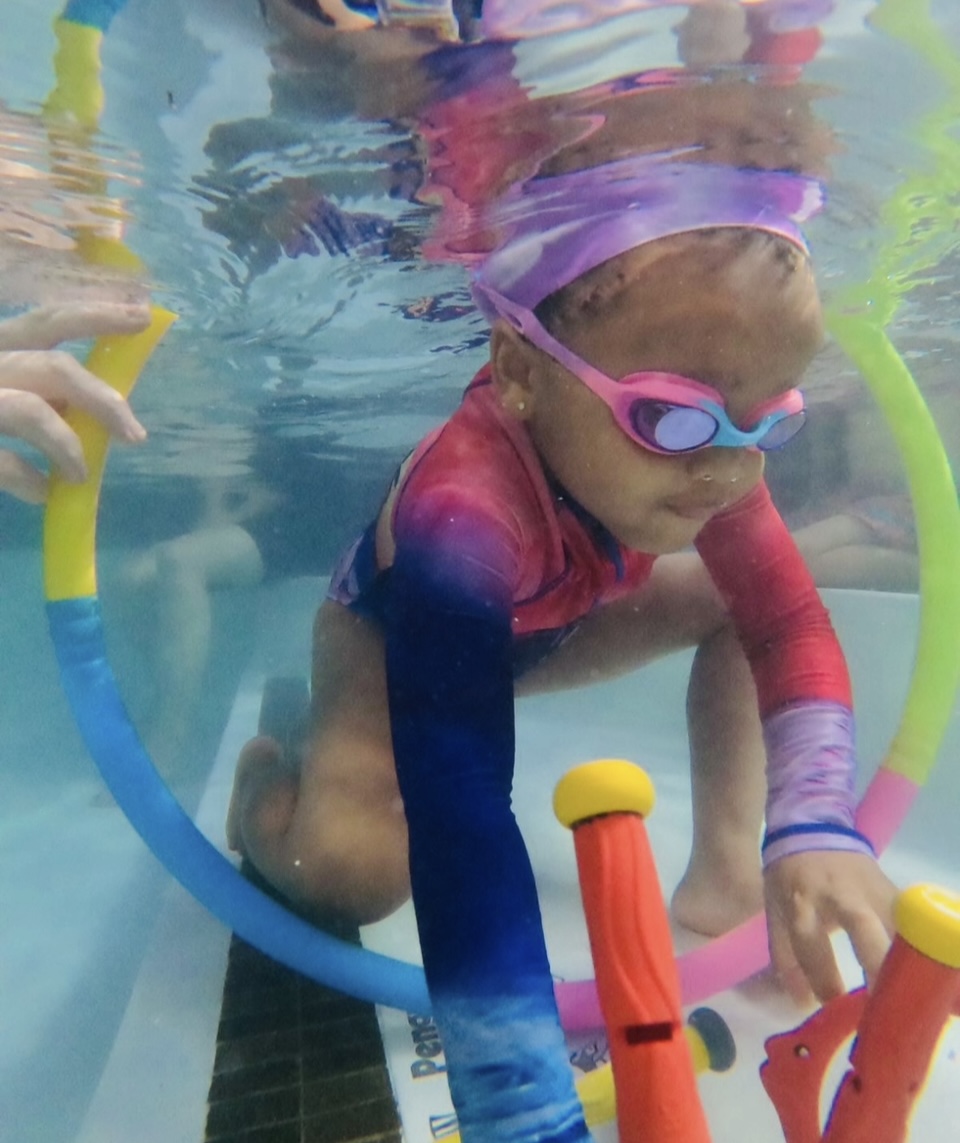
Swimming is often recommended for children with low muscle tone due to its unique benefits. The buoyancy of water reduces the strain on joints and muscles, making movement easier and less fatiguing. Swimming also offers resistance in the water, which can help build strength and improve muscle tone.
Low-impact exercise
The water supports the body, reducing stress on joints and muscles which is crucial for individuals with low muscle tone.
Buoyancy and resistance
The water provides both buoyancy and resistance, allowing for movement and muscle engagement. Water supports the body making it easier for children to move without fighting gravity. This helps them explore movement freely.
Improved muscle strength and endurance
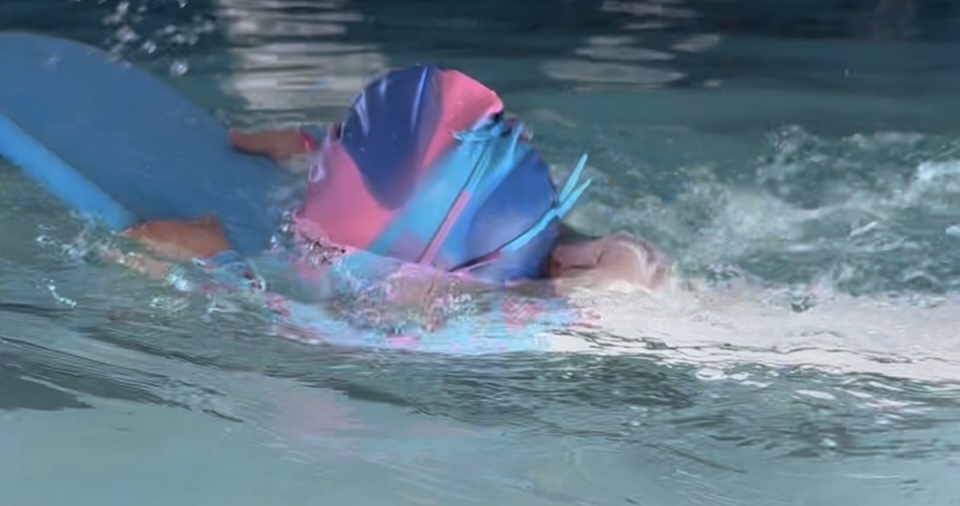
Swimming uses many muscle groups simultaneously, helping to improve overall muscle tone and endurance over time. Kicking, pulling and core engagement all contribute to strengthening weak muscles. Swimming helps strengthen muscles, especially those involved in core stability, posture and balance.
Enhanced balance and coordination
The water provides a stable environment for improving balance and coordination, which can be challenging for individuals with low muscle tone. Water slows movements down, allowing, more time to coordinate and control the body.
Boosts postural control
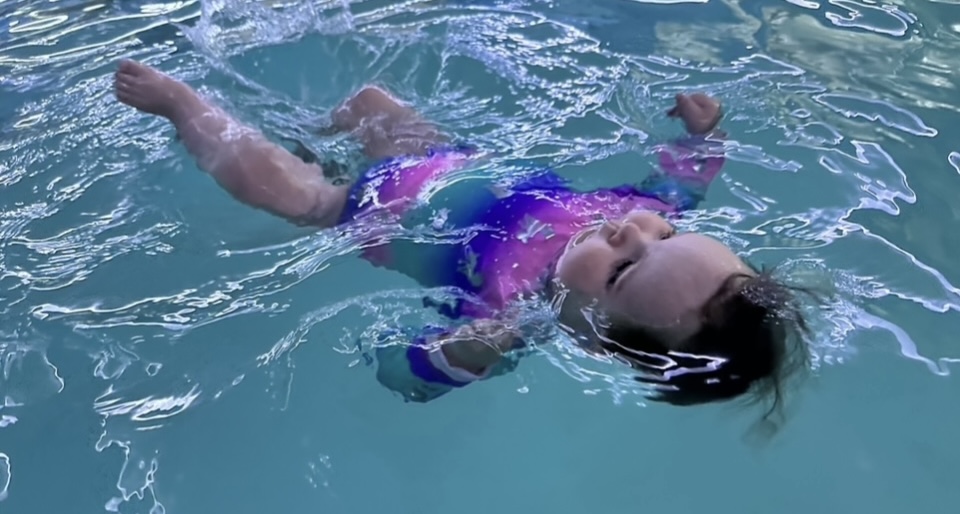
Core engagement is crucial in swimming, which can help with posture. Floating and maintaining body alignment in water encourages better trunk control.
Improved circulation and cardiovascular health
Swimming increases blood flow and improves cardiovascular (heart and lung function) endurance.
Improved gross motor skills
Swimming helps develop large muscular movements, such as kicking, paddling and swimming strokes.
Increased body awareness
The sensory input from the water can help children improve their body awareness and motor planning. The tactile feedback from water enhances proprioception (awareness of body position) which is often reduced in people with low muscle tone.
Reduced fear of falling
The supportive nature of water can help children overcome the fear of falling, which can be a barrier to exercise.
Enhanced confidence
Swimming can increase confidence and self esteem in children who may have difficulty with land-based activities.
Fun and engaging
Swimming is a fun and engaging activity that can motivate children to participate in physical activities.